Storm Damage Assessment: A Complete Guide for Wisconsin Homeowners
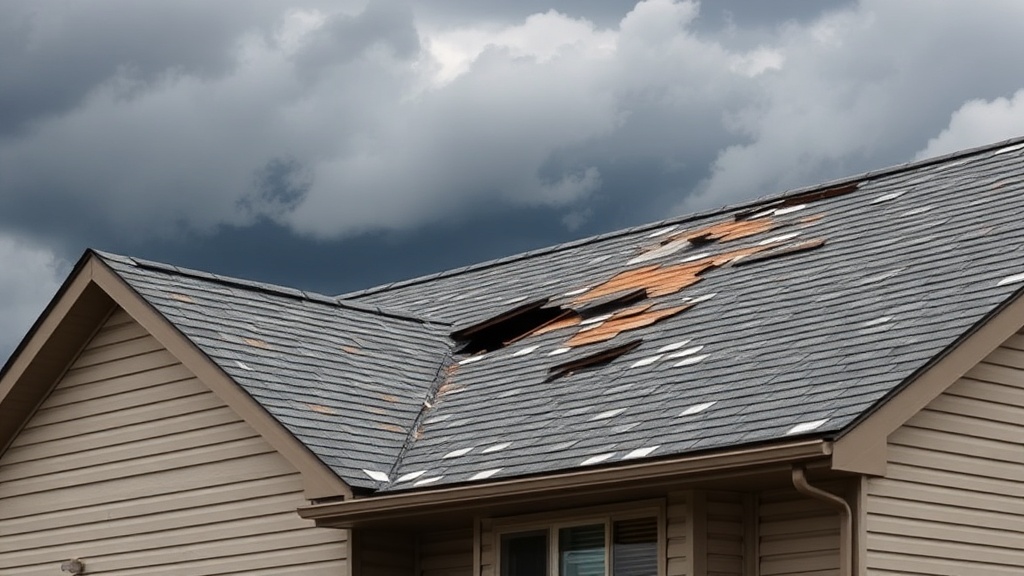
Wisconsin experiences an average of 40 severe thunderstorms, 20+ hail events, and several tornadoes each year. These storms cause tens of millions of dollars in roof damage—but homeowners lose millions more to unnecessary repairs, insurance claim mistakes, and post-storm contractor fraud.
This guide will help you accurately assess storm damage, properly document for insurance, and navigate the claims process while avoiding costly mistakes.
Part 1: Understanding Storm Damage Types
Wind Damage
High winds damage roofs through two mechanisms: direct force and uplift. Learn more about our wind damage repair services.
Signs of Wind Damage
- Missing shingles: Complete shingle loss, usually starting at edges, ridges, or around penetrations
- Lifted shingles: Edges that have separated from the seal strip—may lay back down but seal is broken
- Creased shingles: Visible fold lines from being bent backward
- Exposed underlayment or decking: Visible felt paper or wood where shingles are missing
- Damaged vents and flashing: Bent, displaced, or missing metal components
- Debris damage: Impact marks from wind-blown objects
Wind Damage Patterns
Wind damage typically isn't uniform across a roof. High-damage areas include:
- Corners and edges (highest uplift forces)
- Ridge lines
- Around dormers and roof transitions
- Downwind side of obstacles (turbulence damage)
Important note: Wind can break the seal on shingles without visibly displacing them. These shingles are now vulnerable to future storms and water intrusion even though they look fine from the ground.
Hail Damage
Hail damage is the most common and most frequently over-diagnosed storm damage type.
Actual Hail Damage Signs
- Random impact pattern: Hits scattered across the roof, not in lines or concentrated areas
- Soft spots in shingles: Areas where the matting is bruised (feels different when pressed)
- Granule loss at impact: Circular or irregular spots where granules are knocked off, often with exposed black asphalt
- Cracked shingles: Impact fractures in the shingle material
- Dented metal: Gutters, vents, and flashing showing circular dents
- Collateral evidence: Damage to soft metals (AC units, downspouts), car hoods, window screens
What Is NOT Hail Damage
Commonly misidentified as hail damage:
- Blistering: Raised bumps from moisture trapped during manufacturing (has a different texture than impacts)
- Normal weathering: Gradual granule loss from age and UV exposure
- Footfall damage: Marks from walking on the roof
- Manufacturing defects: Inconsistencies in shingle coating or material
- Organic debris marks: Algae, lichen, or tree sap spots
The hail damage threshold: For insurance purposes, hail damage typically needs to be significant enough to affect the roof's functionality or remaining lifespan. Minor cosmetic granule displacement usually doesn't meet this threshold.
Ice Storm Damage
Ice storms cause damage through weight overload and ice dam formation.
Signs of Ice Damage
- Sagging or bowed roof sections: Structural strain from ice weight
- Broken or displaced gutters: Ice weight pulling gutters from fascia
- Cracked or broken shingles: Especially at eaves where ice accumulates
- Water intrusion signs: Interior water stains from ice dams
- Damaged soffits: From ice dam water backup
Part 2: Safe Post-Storm Assessment
Safety First
Never get on your roof after a storm. Damaged shingles, wet surfaces, and hidden structural damage make post-storm roof walking extremely dangerous. All initial assessment should be from the ground.
Ground-Level Inspection Checklist
Exterior Walk-Around
- Look for obvious damage: missing shingles, debris, displaced flashing
- Check gutters and downspouts for dents or displacement
- Examine siding and trim for impact marks
- Look at soft metals: AC unit, gas meters, mailbox (hail indicators)
- Check vehicle and deck furniture for damage (documents storm severity)
- Note any debris that struck the house
Interior Inspection
- Check ceilings in all rooms for water stains or drips
- Inspect attic for daylight penetration, water intrusion, displaced insulation
- Look for water in unusual places: around windows, in walls, in basement
Documentation Protocol
Thorough documentation is crucial for insurance claims:
Photo Documentation
- Wide shots showing the entire roof from multiple angles
- Medium shots of damaged areas
- Close-ups of specific damage
- Photos of debris that caused damage
- Interior water damage photos
- Photos of damaged property around the house (cars, AC units, etc.)
- Date-stamped photos (check that your phone's date stamp is accurate)
Written Documentation
- Date and time of storm
- Description of storm conditions (wind, hail size if known, duration)
- List of all observed damage
- Any temporary repairs made
- Contact information for any witnesses
Part 3: The Insurance Claims Process
Step-by-Step Claims Guide
Step 1: Review Your Policy (Before Calling)
Understand your coverage before filing:
- What is your deductible? (Typically $1,000-$2,500 for wind/hail)
- Do you have ACV (Actual Cash Value) or RCV (Replacement Cost Value) coverage?
- Are there special limits or exclusions for wind or hail?
- What is your claim filing deadline?
Step 2: Report the Claim
- Call your insurance company's claims line (found on your policy card)
- Provide basic information about the damage
- Request a claim number and adjuster assignment
- Ask about the claims timeline and process
- Ask about temporary repair authorization
Step 3: Emergency Repairs
Make temporary repairs to prevent further damage. Our emergency roof repair service is available 24/7:
- Tarping exposed areas
- Containing water intrusion
- Boarding up broken windows
Important: Keep all receipts. Emergency repairs are typically reimbursable but require documentation.
Step 4: Adjuster Inspection
When the insurance adjuster visits:
- Be present during the inspection
- Share your documentation and photos
- Point out all damage you've observed
- Ask questions about their process and timeline
- Request a copy of their report
Step 5: Get Contractor Estimates
After the adjuster visit:
- Get 2-3 estimates from licensed, insured contractors
- Estimates should detail full scope of repairs
- Compare estimates to insurance assessment
- If estimates exceed insurance assessment, document why
Step 6: Negotiate if Necessary
If the insurance assessment seems low:
- Request a copy of the adjuster's scope and pricing
- Identify specific items that are missing or undervalued
- Provide contractor estimates as supporting documentation
- Request a re-inspection if significant damage was missed
- Consider hiring a public adjuster for large claims
Understanding Your Settlement
ACV vs. RCV Settlements
- ACV (Actual Cash Value): Replacement cost minus depreciation. You receive what your roof was worth, not what a new roof costs.
- RCV (Replacement Cost Value): Full cost of replacement. Typically paid in two parts: initial payment (ACV) and recoverable depreciation (after repairs are completed).
Recoverable Depreciation
With RCV coverage, you must complete repairs to collect the withheld depreciation. Timeline is typically 180 days to 2 years depending on policy and state.
Part 4: Avoiding Post-Storm Scams
Storm Chaser Red Flags
After major storms, fraudulent contractors flood affected areas. Warning signs:
- Door-to-door solicitation: Legitimate contractors rarely need to knock on doors
- Out-of-state license plates: They'll be gone before problems appear
- No local address: Only a phone number or P.O. box
- Pressure to sign immediately: "We have a crew in the area—if we don't start today..."
- Offers to pay your deductible: This is insurance fraud
- Requests for full payment upfront: Legitimate contractors don't need all the money before starting
- Assignment of Benefits (AOB): Signing over your insurance rights to the contractor
- No written estimate or contract: Everything should be documented
Unfortunately, storm chasers are just one type of roofing scam. For a complete breakdown of industry practices that cost homeowners billions annually, read our insider exposé on the dark side of the roofing industry.
Common Storm Chaser Scams
The Inflated Claim
Contractor claims more damage than exists, collects insurance payment, does minimal work, pockets the difference.
The Deposit Disappearance
Contractor collects large deposit, does little or no work, disappears or becomes unreachable.
The Bait and Switch
Low estimate wins the job, then "discovered problems" require expensive additions.
The Insurance Fraud Partnership
Contractor offers to waive deductible or "work with you" on insurance—then inflates claim or billing to make up the difference.
Protecting Yourself
- Only work with established local contractors
- Verify all credentials independently
- Get multiple estimates
- Never sign over insurance rights (Assignment of Benefits)
- Never pay more than 30% upfront
- Get everything in writing
- Verify work matches contract before final payment
Part 5: Repair vs. Replace Decision Guide
When Repair Makes Sense
- Damage is localized (less than 25-30% of roof area)
- Roof has significant remaining lifespan (10+ years)
- Matching materials are available
- No structural damage
- No recurring issues in the damaged area
When Replacement Is Better
- Damage exceeds 30% of roof area
- Roof is near end of life anyway (15+ years on 20-year shingles)
- Matching materials unavailable
- Previous storm damage or repairs
- Insurance settlement covers most of replacement cost
- Opportunity to address underlying issues (ventilation, insulation)
The Math
Compare:
- Cost of repairs + probable future repairs
- Remaining deductible if you file another claim
- Cost of replacement minus any insurance recovery
- Added value of new roof (warranties, energy efficiency, resale value)
The Bottom Line
Storm damage is stressful, but understanding the process helps you make better decisions and avoid costly mistakes. Key takeaways:
- Document everything thoroughly before repairs
- Understand your insurance coverage before filing
- Never feel pressured into immediate decisions
- Work only with established, verified local contractors
- Get multiple opinions on scope and pricing
- Consider long-term value, not just immediate cost
Storm damage concerns? We offer free storm damage assessments with honest evaluation of what's actually damaged and what's not. We'll document thoroughly for your insurance claim and never recommend work that isn't needed. Call (414) 340-3890 or contact us online to schedule.