The Complete Roof Maintenance Guide: Maximizing Your Roof's Lifespan
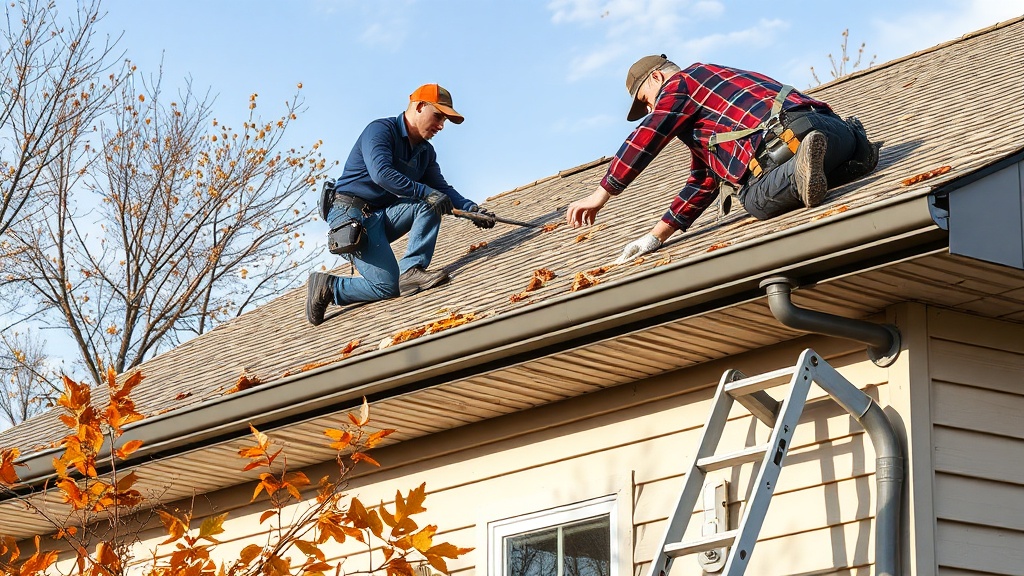
The average asphalt shingle roof in Wisconsin lasts 18-22 years. With proper maintenance, that same roof can last 25-30 years. The difference—7+ years of additional service life—represents $15,000-$25,000 in value. Yet most homeowners do virtually no roof maintenance until something goes wrong.
This guide provides a comprehensive maintenance program that takes about 4 hours per year and can prevent 95% of emergency roof repairs while significantly extending your roof's lifespan.
Understanding Roof Degradation
What Actually Wears Out Your Roof
Roofs don't just "get old"—they degrade through specific mechanisms that maintenance can slow:
UV Degradation
Ultraviolet light breaks down the asphalt in shingles, making them brittle and reducing flexibility. Granules protect against UV, which is why granule loss accelerates aging.
Thermal Cycling
Wisconsin roofs experience temperature swings of 150°F+ annually (from -20°F to 130°F+ on summer roof surfaces). This constant expansion and contraction stresses materials and breaks seals.
Moisture Damage
Water is the ultimate enemy. It penetrates through failed seals, around deteriorated flashing, and into small cracks. Freeze-thaw cycles then expand these entry points.
Biological Growth
Moss, algae, and lichen hold moisture against shingles, accelerating degradation. Their root systems can lift shingle edges and granules.
Wind Stress
Cumulative wind damage loosens shingles and breaks seals, even when no visible damage occurs during any single storm.
The Maintenance Payoff
Regular maintenance addresses these degradation factors:
- Catches problems before they become expensive
- Maintains the integrity of seals and flashings
- Prevents moisture intrusion that accelerates aging
- Removes biological growth before it damages materials
- Preserves the systems that protect against UV and wind
Season-by-Season Maintenance Program
Spring Maintenance (April-May)
Focus: Assess winter damage and prepare for storm season
Visual Inspection from Ground
Using binoculars, inspect for:
- Missing or displaced shingles
- Curling, buckling, or blistered shingles
- Damaged or missing flashing
- Sagging areas that might indicate structural issues
- Visible moss, algae, or debris accumulation
- Damaged or misaligned gutters
Gutter Cleaning and Inspection
Clean all gutters and downspouts. While doing so:
- Check granule accumulation (some is normal; excessive indicates accelerated wear)
- Look for shingle fragments (indicates deterioration)
- Inspect gutter hangers and seams
- Ensure downspouts direct water away from foundation
- Check that splash blocks or extensions are in place
Attic Inspection
On a bright day, inspect your attic for:
- Daylight penetration (indicates holes or gaps)
- Water stains on rafters or sheathing
- Signs of ice dam damage from winter
- Proper ventilation (vents clear and functioning)
- Adequate insulation (not compressed or displaced)
- Signs of pest intrusion
Address Findings
- Schedule repairs for any damage found
- Trim trees that have grown to within 10 feet of roof
- Note areas needing professional attention
Time required: 1-2 hours
Summer Maintenance (June-August)
Focus: Make repairs, address growth, prepare for severe weather
Optimal Repair Season
Summer's warm, dry weather is ideal for:
- Shingle replacement (adhesive seals properly in warm weather)
- Flashing repairs and replacement
- Caulking and sealant work
- Addressing any issues identified in spring
Biological Growth Treatment
If you have algae (black streaks) or moss, consider our roof cleaning service:
- For algae: Mix 50/50 water and bleach, spray on affected areas, rinse after 15-20 minutes. Do this on a cloudy day to prevent rapid drying.
- For moss: Apply moss killer product (zinc or copper-based), let moss die before removal. Never pressure wash or scrape—this damages shingles.
- Prevent recurrence: Install zinc or copper strips near ridge
Attic Ventilation Check
On a hot day, check attic temperature. If significantly hotter than outside (20°F+ difference), roof ventilation improvement may be needed. This accelerates shingle deterioration from below.
Post-Storm Inspections
After any significant storm:
- Walk the perimeter looking for debris or shingles
- Check gutters for damage or new debris
- Look for visible roof damage from ground level
- Check attic for signs of water intrusion
Time required: 1-3 hours (depending on repairs needed)
Fall Maintenance (September-October)
Focus: Prepare for winter—this is critical in Wisconsin
Comprehensive Gutter Service
This is the most important fall task:
- Remove all leaves and debris
- Check and tighten all gutter hangers
- Seal any leaking joints
- Ensure proper pitch toward downspouts
- Clear all downspouts completely
- Consider gutter guards if you have heavy leaf fall
Final Inspection Before Winter
This professional winter roof inspection should be thorough—you won't be able to easily address issues until spring:
- Check all flashings (chimney flashing repair, vents, skylight installation and repair, valleys)
- Look for cracked, curled, or loose shingles
- Inspect sealant around penetrations
- Check ridge cap condition
- Ensure attic vents are clear and functional
Ice Dam Prevention Prep
- Verify attic insulation is adequate (R-49 minimum in Wisconsin)
- Check that soffit vents aren't blocked by insulation
- Ensure bathroom and kitchen vents exit through roof, not into attic
- Consider professional energy audit if you've had ice dams previously
Tree Management
- Trim branches within 10 feet of roof
- Remove dead branches that could fall on roof
- Consider removal of trees that consistently drop debris on roof
Schedule Professional Inspection
Fall is the ideal time for a professional inspection. A trained eye can catch issues you might miss, and there's still time to make repairs before winter.
Time required: 2-3 hours
Winter Maintenance (November-March)
Focus: Monitor and prevent damage; major work isn't practical
Snow Management
After significant snowfalls:
- Remove snow from the lower 3-4 feet of roof using a roof rake
- Work from the ground—never climb on a snowy roof
- Pull snow straight down the slope, never sideways
- Leave a thin layer to avoid scraping shingles
- Clear snow from around attic vents if accessible
Ice Dam Monitoring
Watch for warning signs (for a deep dive into prevention strategies, see our complete ice dam prevention guide):
- Large icicles forming on eaves
- Ice buildup in gutters
- Uneven snow melt patterns (warm spots indicate heat loss)
- Water stains appearing inside
If you see ice dam formation, act quickly:
- Remove snow upstream of the dam (carefully, from ground level)
- Create drainage channels using calcium chloride in stockings
- Call for professional steam removal if water is entering home
- Never chop ice—you'll damage the roof
Interior Monitoring
Periodically check:
- Ceilings for water stains or bubbling paint
- Attic for frost accumulation (indicates moisture/ventilation issues)
- Around windows for ice or moisture (can indicate wall/roof connection issues)
Time required: 30 minutes per snow event, plus monitoring
Professional Maintenance: When to Call
Annual Professional Inspection
Even with diligent DIY maintenance, annual professional inspection is worthwhile. Professionals can:
- Safely access and closely inspect the entire roof
- Identify subtle damage invisible from the ground
- Assess shingle condition and remaining lifespan
- Evaluate flashing condition in detail
- Check ventilation effectiveness
- Provide documented condition report for records
Cost: $150-$400, depending on roof size and complexity
When to schedule: Fall (September-October) is ideal—catches issues before winter and allows time for repairs.
Maintenance Tasks Requiring Professionals
- Any work requiring roof access
- Flashing repair or replacement
- Shingle replacement (more than a few)
- Sealant work around penetrations
- Structural concerns
- Ice dam removal
- Moss removal on steep or high roofs
The ROI of Roof Maintenance
Cost Comparison
| Approach | Annual Cost | 20-Year Total | Expected Roof Life |
|---|---|---|---|
| No maintenance | $0 | $3,000-$8,000 (emergency repairs) | 15-18 years |
| DIY maintenance only | ~$100 (materials/time) | $2,000 | 20-23 years |
| DIY + annual professional inspection | ~$350 | $7,000 | 25-30 years |
The Math
If comprehensive maintenance extends roof life by 7 years and a new roof costs $15,000:
- Value of 7 extra years: $15,000
- Cost of 20 years of maintenance: $7,000
- Net benefit: $8,000
- Plus: Avoided emergency repairs, peace of mind, maintained home value
Creating Your Maintenance Calendar
Annual Schedule Template
April
- □ Ground-level visual inspection
- □ Gutter cleaning
- □ Attic inspection
- □ Schedule any needed repairs
June
- □ Complete scheduled repairs
- □ Treat biological growth if present
- □ Check attic ventilation/temperature
September
- □ Professional inspection (every year or every other year)
- □ Complete gutter cleaning
- □ Final visual inspection
- □ Tree trimming
- □ Ice dam prevention check
As Needed (November-March)
- □ Snow removal after significant storms
- □ Ice dam monitoring
- □ Interior checks for water intrusion
The Bottom Line
Roof maintenance isn't glamorous, but it's one of the highest-ROI home maintenance activities you can do. A few hours per year can add a decade to your roof's life while preventing the stress and expense of emergency repairs.
The key is consistency. Put these tasks on your calendar, do them every year, and you'll rarely need to think about your roof between maintenance sessions—exactly how it should be.
Want professional eyes on your roof? We offer comprehensive maintenance inspections that include detailed condition reports, identified concerns, and prioritized recommendations. Call (414) 340-3890 or contact us online to schedule.